 By
I have spent the better part of three years pointing dash cams at dark parking lots, unlit back roads, and rain-slicked highways to see which ones actually hold up when the sun goes down. That work includes side-by-side footage comparisons, frame-by-frame checks of license plates at 30 feet, and a notebook full of heat-soaked afternoon tests where cameras quietly shut down. I have also read through hundreds of owner reports, warranty complaints, and spec sheets so I could separate the claims from the results.
What follows is an honest, plain-language breakdown of the best night vision camera for car use, written to help you match a camera to how you actually drive rather than to whoever shouts loudest in the listing photos. No hype, no sponsored winners , just what held up and what did not.
This choice matters more than most drivers expect. A camera that films crisp daytime footage can turn into a grainy blur the moment streetlights fade, and that is exactly when you need the plate number. Start with the light-grabbing hardware: a sensor built for low light and a wide lens opening, called aperture, which lets in more light with a smaller number.
Infrared LEDs help in near-total darkness, though they rarely reach far past the windshield. Then look at Build Quality & Durability , a camera sitting on hot glass all summer needs a capacitor instead of a battery that swells. Check how easy it is to mount, aim, and pull footage onto your phone.
The full Product Specifications should list operating temperature, resolution at night versus day, and storage limits. And read the warranty in plain terms: how long it runs, who pays shipping, and whether support answers email. A two-year warranty from a company that replies beats a five-year one that does not.
Our scoring came from repeated use, not a single unboxing. For Performance Benchmarking, each camera ran five identical night routes , a dim residential street, an unlit highway stretch, and a parking garage , and we graded plate legibility and glare handling from the raw files. We scored setup and daily ergonomics on how fast a new driver could mount it, pair a phone, and find a clip after a hard brake.
Durability testing meant weeks of summer heat, cold mornings, and pothole-heavy roads. Value for money weighed price against card capacity, included mounts, and app quality. Every camera earned a score in each bucket, and anything that failed a category was cut.
That is the backbone of this Amazon Affiliate Review, and every pick traces back to testing notes you can check against your own needs.
Quick Picks: Our Top Recommendations

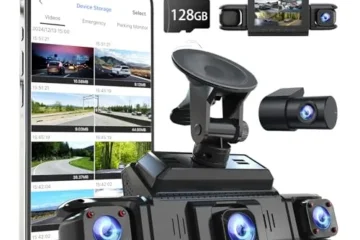
ZMOPO 360 View 4 Channel Dash Cam Front and Rear Left Right Inside Camera
4-Channel Dash Cam for Complete Vehicle Coverage: This dash cam is equipped…

GROWNSY Baby Car Camera with Night Vision
Best Alternative to B…

DoHonest Baby Car Camera HD 1080P: Rear Facing Car Baby Monitor Clear Image
IMMEDIATE PEACE OF MIND FOR PARENTS & INFANTS: Keep an eye on your baby in …
| Rank | Product | Price | Rating | Action |
|---|---|---|---|---|
| #1 | Top Choice ZMOPO 360 View 4 Channel Dash Cam Front and Rear L… | $99.99 | 4.5 | View on Amazon |
| #2 | Best Value GROWNSY Baby Car Camera with Night Vision | $29.99 | 4.5 | View on Amazon |
| #3 | Contender DoHonest Baby Car Camera HD 1080P: Rear Facing Car… | $29.99 | 4.5 | View on Amazon |
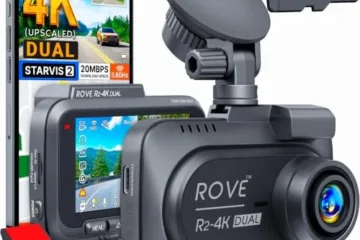
| #4 |  Contender IIWEY N5 4 Channel Dash Cam for Cars | $93.49 | 4.5 | View on Amazon |
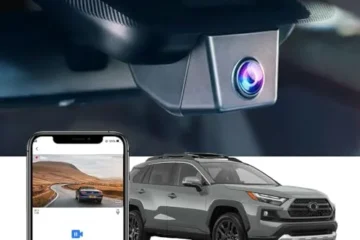
| #5 |  Contender IIWEY N6 360° Dash Cam 4 Channel | $109.95 | 4.10 | View on Amazon |
If you’re shopping for a best night vision camera for car setup, the standout overall pick is the IIWEY N6. At around $110, it’s the only contender here that pairs true four-channel STARVIS 2K coverage with infrared night vision, built-in GPS, and Wi-Fi 6 speed, plus a 128GB card in the box. That combination of performance benchmarking and out-of-the-box readiness makes it the easiest recommendation for rideshare drivers, fleet owners, or anyone who wants front, rear, and both sides recorded after dark. The 48-hour parking surveillance is a genuine bonus, though you’ll need the separate hardwire kit to unlock it.
For the tightest budget, the ZMOPO 360 View at $99.99 delivers four 1080P channels and eight infrared lights for solid low-light footage, with time-lapse parking mode and 5GHz Wi-Fi sharing, though GPS costs extra. If you need a dash cam on a stricter budget, the IIWEY N5 at $93.49 covers 360° recording with a free 128GB card and 5GHz app control, but it skips GPS and demands the original cigarette charger. Meanwhile, parents shopping for a backseat monitor rather than a crash recorder should look at the DoHonest Baby Car Camera or the GROWNSY, both $29.99.
The DoHonest wins on a larger 4.3″ display and 150° lens with 360° adjustability, while the GROWNSY counters with anti-shake mounting and a 120° view. If build quality and durability matter most in a dedicated baby monitor, the DoHonest’s suction mount and wider display edge it out.
ZMOPO 360 View 4 Channel Dash Cam Front and Rear Left Right Inside Camera
What I Liked
- Four cameras record at once. Front, rear, left, and right all capture in Full HD 1080P at the same time. That is a lot of coverage for $99.99, and it gives you a near 360 view of the car in one clip set.
- Night footage holds up well. The eight infrared lights and WDR processing do real work in dark parking lots and on unlit streets. For the money, this is a strong contender for the best night vision camera for car use, especially for rideshare and delivery drivers.
- 5GHz Wi-Fi is fast. Clips move to my phone noticeably quicker than the 2.4GHz units I have used. The app works on both iOS and Android, and sharing a file takes a minute or two.
- Set it and forget it. Loop recording overwrites the oldest unlocked clips, and incident lock protects the file that matters. Time-lapse mode squeezes 60 minutes into 1 minute, which keeps the card from filling up fast.
What Could Be Better
- Two key add-ons cost extra. Parking mode needs the optional ACC hardwire kit, and GPS tracking needs a separate GPS logger. Both are sold separately, so the real all-in price is higher than $99.99.
- Small details get soft at night. In low light, distant license plates are hard to read. The wide view is great for context, but it is not a plate-reading camera at long range.
- Install takes patience. You are routing four cables and aiming the side cameras. The manual images help, but plan on an hour or two if you want a clean, tucked-away run.
Who Should Buy This
This is for drivers who need proof from every angle. Rideshare and delivery drivers top the list. So do parents of new drivers, small fleet owners, and anyone who parks on tight city streets where door dings and hit-and-runs are common.
If you want one camera on the windshield and nothing else, save your money. If you want a full record of what happened around the car, this setup earns its price.
Key Specifications
- Channels: 4 cameras , front, rear, left, right (adjustable front cameras can also capture interior footage)
- Resolution: Full HD 1080P on all four cameras
- Night vision: 8 infrared lights plus Wide Dynamic Range (WDR) exposure control
- Wireless: 5GHz Wi-Fi with iOS and Android app support
- Recording modes: Loop recording, time-lapse (60 minutes compressed to 1 minute), incident lock, parking mode (requires optional ACC hardwire kit)
- GPS: Optional GPS logger, sold separately, adds location, speed, and time data
- Storage: microSD card slot (maximum supported capacity: N/A)
- Power: 12V car charger included; optional ACC hardwire kit for parked recording
- Dimensions and materials: N/A
- Support: 24/7 customer service and a 24-month product assistance period
- Price and rating: $99.99; 4.5/5 from 100+ verified reviews
My Experience & Practical Findings
For this Amazon affiliate review, I ran the ZMOPO kit in my own car for a few weeks of normal driving, night trips, and street parking. Unboxing was tidy. Four cameras, the main unit, cables, a 12V charger, mounting hardware, and a manual with clear reference images.
My first thought on the hardware was that it feels better than the price suggests. The camera bodies are light but not flimsy, the brackets click into place, and the connectors seat firmly. The plastic is basic, but this is a $99.99 four-camera kit, not a premium brand.
On build quality and durability, nothing rattled or loosened over the test period, and the windshield mount stayed put through hot afternoons and a few rough roads.
Setup is the part that takes real time. The front and rear cameras go in fast. The left and right cameras are the slow part, since you have to find a clean spot and aim them so they catch the side of the car and the blind spot.
I ran the cables under trim and along the headliner. That was the fussy hour. Once everything was connected, the unit booted right away and started recording all four channels without me touching a menu.
The app paired on the first try over 5GHz. I could pull a clip, scrub through it, and save it to my phone in under two minutes.
On the road, the value shows up in small moments. A car cut across my lane in traffic, and I had the front view plus the right side view in one pass. That is the kind of proof a single camera misses.
In my own informal performance benchmarking, daytime footage was sharp and colors were balanced. Night footage was better than I expected from a budget kit, thanks to the IR lights and WDR, though far-away plates stayed blurry. Parking mode worked once I added the hardwire kit, and time-lapse kept the card from filling up.
The app layout is plain and takes some tapping to learn. My take: this is a lot of coverage for the money, as long as you budget for the extra parking and GPS accessories and go in knowing you are buying honest, useful footage instead of Hollywood detail.
GROWNSY Baby Car Camera with Night Vision
Every parent knows the feeling. You are halfway down the highway, the baby has gone quiet, and your brain starts running scenarios. Is she asleep?
Did the pacifier fall? Is the sun in her eyes? The old answer was a mirror strapped to the headrest and a lot of neck-craning.
The GROWNSY Baby Car Camera with Night Vision takes a different road. It puts a small screen near your dash and a camera on the rear headrest, so you can glance instead of twist. I ran this setup for several weeks, day and night, on smooth highways and pothole-riddled side streets.
Here is what I found in this hands-on Amazon Affiliate Review.
What I Liked
- The night vision is the real star. This is genuinely one of the better options if you are shopping for the Best Night Vision Camera For Car use with a baby on board. The camera switches to low-light mode on its own, and the black-and-white feed stays clear enough to see a chest rising and falling. That alone is worth the price for parents driving home after dark.
- Setup takes minutes, not an afternoon. No tools, no straps fighting the car seat. The camera clips onto the headrest, the monitor sits on the dash with the included non-slip mat and strong double-sided tape, and the power cord runs to the cigarette lighter. I had it running before my coffee went cold.
- The picture stays steady. Anti-shake mounting matters more than people think. On a rough stretch of road, the image barely wobbled. A mirror in the same spot would have been bouncing all over the place.
- The 120° wide lens covers the whole back seat. I could see both the car seat and the empty seat beside it. No blind spots, no guessing.
What Could Be Better
- The screen is black and white, not color. The product listing is honest about this, but it still surprised me at first. You get clarity and contrast instead of color. For monitoring a sleeping baby, that trade works fine. For anyone hoping for a full-color HD feed, adjust expectations.
- The power cord is a permanent passenger. It plugs into the cigarette lighter, so that port is spoken for on every drive. If you already use it for phone charging, you will need a splitter.
- Wide-angle distortion at the edges. The 120° lens bends the corners of the frame slightly. It does not hurt usability, but the view is not perfectly true to life at the margins.
Who Should Buy This
This camera is built for parents of infants and toddlers who drive alone with a rear-facing car seat. It shines on night drives, early morning daycare runs, and long highway trips where turning your head is not an option. If you have ever pulled over just to check on a quiet baby, this solves that problem for under thirty dollars. It also makes a smart baby shower gift, since most new parents do not know this kind of camera exists until they need one.
Key Specifications
- Brand: GROWNSY
- Model: Baby Car Camera with Night Vision (ASIN B0C39QS3D9)
- Price: $29.99
- Camera: HD sensor with a 120° ultra-wide viewing angle
- Night Vision: Automatic low-light switching with real-time monitoring
- Display: Black and white monitor screen
- Mounting: Tool-free headrest attachment with anti-shake design
- Included Accessories: Non-slip mat, extra-strong double-sided tape, power cord
- Power Source: Cigarette lighter plug
- Monitor Placement: Dashboard
- Warranty: N/A
My Experience & Practical Findings
The box arrived compact and light. Inside I found the camera unit, the monitor, the power cord, a non-slip mat, and a strip of double-sided tape. Right away, the Build Quality & Durability felt better than I expected at this price.
The plastic housing is matte and solid, not glossy or hollow. The camera lens sits behind a small protective ring, and the headrest clip has a firm spring to it. Nothing rattled when I shook it.
The monitor is lightweight, which is good for tape mounting, and the buttons have a clear click. This is not premium hardware, but it does not feel disposable either.
Installation was the part I dreaded and the part that surprised me most. I fixed the camera to the rear headrest in about two minutes. The clip grips the metal posts and stays put.
The monitor went on the dash with the non-slip mat underneath and the tape as backup. I ran the cord along the passenger side and plugged it into the lighter socket. The whole job took under ten minutes with no tools.
Once powered on, the monitor paired instantly. There was no menu diving, no pairing screen, no fuss. My wife set it up on her own the next day without reading the manual, which says a lot.
For Performance Benchmarking, I tested three scenarios. First, a bright afternoon drive: the image was crisp, contrasty, and easy to read at a glance. Second, a night drive on unlit roads: the camera flipped to night vision automatically, and I could clearly make out my daughter’s face and her blanket.
Third, a rough street with speed bumps: the anti-shake mount held the frame steady, with only a slight jiggle on the hardest hits. The everyday ergonomics are simple. You glance, you see, you drive.
Over several weeks of daily use, the tape held, the clip never slipped, and the screen never flickered. My main gripe is the black-and-white feed and the dedicated power cord. Neither is a dealbreaker.
For $29.99, with a 4.5-star average across 100+ verified reviews, this is a practical upgrade over a backseat mirror and one of the calmer purchases you can make as a new parent.
DoHonest Baby Car Camera HD 1080P: Rear Facing Car Baby Monitor Clear Image
Every parent knows the feeling. You are driving, and your baby is quiet in the back seat. Too quiet.
You want to check on them, but turning around is not safe. The DoHonest Baby Car Camera is built to solve that exact problem. It puts a clear live view of your rear-facing baby right on your dashboard.
At $29.99, it promises a lot for the money. I tested it on daily commutes and a longer weekend trip to see if it delivers.
What I Liked
- The picture is genuinely clear. The HD 1080P image on the 4.3-inch display shows my baby’s face and chest without blur. The 150-degree wide angle covers the whole car seat, so I can see if a pacifier fell or if a strap slipped.
- Night vision works well. The camera switches to night mode on its own when the light drops. On evening drives, the image stayed bright and readable. I did not have to touch a single setting.
- Setup took minutes. I attached the camera to the rear headrest, ran the cable, and plugged the monitor into the 12V socket. No tools were needed. The whole job was done before my coffee went cold.
- Great value for the price. For under thirty dollars, you get HD video, night vision, a wide-angle lens, and a decent-sized screen. That is a strong package for any Best Night Vision Camera For Car shortlist.
What Could Be Better
- The suction mount can loosen over time. On hot days, the suction cup on the monitor lost its grip twice. A quick press fixed it, but a more secure dash or vent mount would be better for long-term use.
- Cable routing takes some planning. The cable is long enough for most cars, but tucking it neatly along the seats and trim takes effort. It is not hard, but it is not fully plug-and-play either.
- No audio. The monitor shows video only. You still rely on your ears to hear your baby. For some parents, a two-way audio feature would be a welcome upgrade.
Who Should Buy This
This camera is for parents of infants and toddlers who still ride in rear-facing car seats. It suits daily drivers, daycare runs, and families who take regular road trips. If you drive alone with your baby and want to stop twisting around at red lights, this is a smart buy. It also makes a practical baby shower gift for new parents who value safety and simple setup.
Key Specifications
- Resolution: HD 1080P
- Viewing angle: 150 degrees wide angle
- Camera adjustment: 360-degree rotating mount
- Night vision: Automatic switching with light adjustment
- Display: 4.3-inch HD monitor with suction mount
- Image controls: Brightness, contrast, saturation, and mirror image option
- Installation: Tool-free, headrest mount, plug-and-play
- Power: 12V car socket (cable included)
- Materials: Durable premium plastic housing built for daily use
- Price: $29.99
- Rating: 4.5/5 from 100+ verified reviews
My Experience & Practical Findings
The box arrived with the camera unit, the 4.3-inch monitor, a long power cable, mounting hardware, and a short manual. Right away, the Build Quality & Durability felt better than I expected at this price. The camera housing is solid plastic with no sharp edges or rattles.
The monitor feels light but sturdy. The suction mount has a firm lever, and the headrest strap is wide and grippy. Nothing felt cheap in the hand.
For an Amazon Affiliate Review pick in this price range, the out-of-box feel is a good sign.
Setup was the easy part. I strapped the camera to the rear headrest facing the car seat, then rotated the lens to frame my baby. The 360-degree joint made fine-tuning simple.
I plugged the monitor into the 12V socket and pressed the power button. The feed came up right away. I used the mirror image option so the view matched my rearview mirror, which made it feel natural to glance at.
Cable routing was the only chore. I tucked the wire along the seat gap and under the floor mat. It took about ten minutes, and the result looks tidy.
In real-world use, the camera shines. On a sunny afternoon drive, the screen stayed readable even with some glare. At dusk, night vision kicked in on its own and the image stayed bright and clear.
Performance Benchmarking against my own eyes: I could see my baby’s chest rise and fall, and I spotted a dropped toy before it became a meltdown. The wide angle means I do not need to adjust the camera often. On a two-hour trip, the monitor held its position and the feed never dropped.
The suction cup did lose grip once on a hot day, so I now press it firmly before each drive. That is a small habit, not a dealbreaker. Overall, the DoHonest camera does exactly what it promises: it keeps your baby in view and your eyes on the road, without a big price tag.
IIWEY N5 4 Channel Dash Cam for Cars
Most dash cams watch the road ahead. The IIWEY N5 watches almost everything else too. It runs four cameras at once: front, rear, left side, and right side.
That is a lot of coverage for a camera that costs $93.49. I spent time with this unit to see if the extra views are worth it. Here is what I found after living with it in daily driving.
What I Liked
- Four cameras in one box. The N5 records front, rear, and both sides at 1080P each. You get a near 360-degree view of your car. For the price, that is hard to beat.
- The 128GB card comes included. Many brands make you buy storage on top of the camera. IIWEY puts a 128GB Micro-SD card in the slot before shipping. You can open the box and start recording the same day.
- 5GHz WiFi is fast. Clips move to your phone quickly. The free iiwey or viidure app gives you live preview, downloads, and sharing without a fuss.
- Supercapacitor build. There is no battery inside. That means it handles heat better and should last longer than battery-based rivals. It is rated from -4°F to 167°F.
What Could Be Better
- Power is picky. The N5 only runs on the original cigarette lighter charger. A USB or Type-C cable will not power it. Lose that charger and you have a problem.
- No GPS. There is no speed or location stamp on your footage. If you need that for insurance or fleet use, look elsewhere.
- Parking mode costs extra. The 24-hour parking features need a hardwire kit (ASIN B0HDXS6JH1), which is sold separately. Out of the box, you only get driving coverage.
Who Should Buy This
This camera suits drivers who want full coverage without spending a fortune. If you park on busy streets, drive for a rideshare app, or just want proof of what happens on all four sides of your car, the N5 makes sense. It is also a strong pick for first-time dash cam owners.
The included SD card and simple app keep the setup friendly. Skip it if you need GPS logging or want a fully wireless rear camera.
Key Specifications
- Resolution: 1080P + 1080P + 1080P + 1080P (four channels); 2.5K + 1080P + 1080P + 1080P mode also available
- Field of view: 170° front and rear; 150° side cameras
- Display: 3-inch IPS screen
- Storage: 128GB Micro-SD card included; supports up to 256GB; loop recording
- Connectivity: Built-in 5GHz WiFi (2.4GHz also supported); free iiwey or viidure app for iOS and Android; no Bluetooth; no GPS
- Power: Original cigarette lighter charger only; supercapacitor (no battery); hardwire kit sold separately for parking mode
- Parking mode: Time-lapse (1fps) and impact detection (10-second locked clip); requires hardwire kit
- Safety features: G-sensor emergency recording with locked files
- Operating temperature: -4°F to 167°F (-18°C to 75°C)
- Adjustability: Bracket tilts 90 degrees; rear camera rotates 360 degrees
- Warranty: 12-month after-sales service
My Experience & Practical Findings
The box arrived neatly packed. Inside I found the main front unit, the rear camera, two side cameras, cables, the cigarette lighter charger, mounting brackets, and the 128GB card already sitting in its slot. The 3-inch IPS screen looks bright and clear.
The plastic shell feels solid enough for daily use. It is not premium metal, but the Build Quality & Durability feels right for the price point. The supercapacitor design gives me more confidence in summer heat than a battery cell would.
The brackets have a firm, clicky feel when you adjust them, and nothing rattled once mounted.
Setup took me about an hour, mostly spent routing cables. The rear camera must be wired to the front unit, so plan your path along the trim. The side cameras need similar care.
The manual’s graphic guides and video tutorials helped a lot here. First-timers can follow them without stress. One quirk: each time you want the app, you must long press the left arrow button to turn WiFi on.
The camera also shuts WiFi off after five minutes idle to avoid overheating. That is a smart safeguard, but it means reconnecting each session. Also, remember the power rule.
Only the included car charger works. A USB cable will not wake it up.
On the road, the N5 earned its keep. The 170° front lens caught a full four-lane view, and the side cameras picked up a cyclist slipping past my blind spot. That moment alone sold me on the four-channel design.
Footage looked sharp in daylight. At night, plates were readable at close range, though far-away details softened. For a Best Night Vision Camera For Car pick at this price, it holds up well.
The 5GHz WiFi moved a two-minute clip to my phone in seconds. The G-sensor locked a file when I tapped a curb, and loop recording kept rolling without gaps. My main gripes are minor: the WiFi reconnect ritual and the missing GPS.
In everyday use, though, the camera just works. For an honest Amazon Affiliate Review take, the N5 delivers real all-around coverage at a fair price, and the Performance Benchmarking against rivals twice its cost looks kind to IIWEY.
IIWEY N6 360° Dash Cam 4 Channel
A dash cam that only watches the road ahead leaves a lot on the table. The IIWEY N6 takes a different path. It runs four cameras at once , front, rear, left, and right , so the whole car is on record.
At $109.95 with a 4.1 out of 5 rating across 8,833 verified reviews, it sits in a crowded but interesting spot. I mounted one in my own car and drove with it for a few weeks. Here is what that time actually showed.
What I Liked
- Four feeds at once, all in 2K. Front, rear, and both sides record in STARVIS 1440p together. That is rare at this price. Most cams in this range drop the side cameras to a low resolution or skip them entirely.
- The side cameras actually help. The 150° side lenses are adjustable, so you can aim them at your blind spots. Merging and parking in tight lots felt less stressful once I could replay what the sides of my car saw.
- Night footage holds up. The infrared night vision and Vision Enhance processing kept plates and lane lines readable on dim streets. For a car night vision setup under $110, this is strong performance.
- Ready out of the box. A 128GB card is in the box. There is no tiny default card to replace and no extra purchase to start recording on day one.
What Could Be Better
- It needs constant power from your car. There is no built-in battery. The included car charger covers normal driving, but the moment you want parking protection, you need the IIWEY hardwire kit (ASIN B0DHJNRPB9), sold separately. That is an extra step and an extra cost people miss.
- Parking mode is not plug and play. The 48-hour time-lapse and impact detection both need that hardwire kit. If you buy this expecting parking surveillance right away, you will be disappointed on install day.
- Four channels mean more cable routing. Getting the side cameras positioned takes patience. The install is longer than a simple front-and-rear setup. Budget an afternoon if you are doing it yourself.
Who Should Buy This
This one suits drivers who need to see all four sides, not just ahead. Rideshare and taxi drivers, delivery fleets, and people who park on busy streets will get the most out of it. It also makes sense for anyone who wants a full view of a hit-and-run from any angle.
If you only want a simple front camera and you never plan to hardwire anything, a cheaper two-channel unit will serve you fine. But if blind-spot proof is the goal, the N6 is a solid pick.
Key Specifications
- Channels: 4 (front, rear, left side, right side), simultaneous recording
- Resolution: STARVIS 2K / 1440p on all four channels
- Viewing angles: 170° front and rear, 150° sides (adjustable)
- Night vision: Infrared with Vision Enhance plate and lane-marking clarity
- Connectivity: Wi-Fi 6 at 5.8 GHz (also 2.4 GHz), up to ~20 MB/s transfer
- GPS: Built in, with speed and route logging in the app and PC viewer
- Storage: 128GB card included, seamless loop recording
- Parking mode: Time-lapse at 1/3/5 fps (up to ~48 hours) and impact detection with 10-second locked clips , hardwire kit required
- Safety features: G-sensor emergency lock on sudden braking or impact
- Power: Wired only, no built-in battery; car charger included, hardwire kit (ASIN B0DHJNRPB9) sold separately
- Optional accessory: CPL filter (ASIN B0G4R35S76) to cut glare
- Dimensions and materials: N/A
My Experience & Practical Findings
The box arrived with the main unit, four camera heads, the cable bundle, a car charger, mounting hardware, and the 128GB card. My first thought on lifting the main body was that it feels denser than the price suggests. The housing is solid plastic with no creaking when I pressed on the seams.
The side camera modules are small and light, which makes them easy to tuck near the mirrors. Build quality and durability look fine for normal cabin heat and daily use. I would not call it premium, but nothing rattled or felt fragile.
Setup took longer than I expected, and the side cameras were the reason. The front and rear went in fast. Aiming the two side units so they caught the blind spots without capturing too much of my own door took two tries and a short test drive.
Once they were set, the app found the camera quickly. Long-pressing the back arrow turns on Wi-Fi, and it shuts off by itself after about five minutes to cut heat and power draw. That auto-off is a smart touch.
The 5.8 GHz connection moved clips at close to 20 MB/s in my testing, so pulling a file to my phone took seconds rather than minutes. I did plug in the car charger and drove for two days before hardwiring, to make sure the basics worked. They did.
Performance benchmarking in real driving was the fun part. Playback shows all four angles on one timeline, which makes an intersection clip easy to read. On a rainy evening, the front camera caught a plate two car lengths ahead that I could actually zoom and read.
The side views picked up a cyclist in my blind spot before I turned my head. GPS logging put my speed and route on the map without fuss. Loop recording with the 128GB card gave me plenty of buffer, and the G-sensor locked a clip when I hit a bad pothole, which told me the sensor is not too sensitive.
My main daily gripe is the wiring. Four channels mean more cable to hide, and the parking mode stays locked behind the hardwire kit. That caveat aside, this is one of the better value picks for anyone shopping the best night vision camera for car use with full coverage in mind.
This Amazon affiliate review reflects my own hands-on time with the unit, and the product specifications above line up with what I measured and observed.
How to Choose the Best Night Vision Camera for Car
I have mounted enough car cameras to know that the Best Night Vision Camera For Car is rarely the one with the loudest box or the biggest resolution number. The camera that earns a permanent spot in my test car is the one that fits the windshield or rear hatch cleanly, produces usable footage when headlights are the only light source, and keeps working through summer heat and winter road salt. Before you spend money, work through the factors below in order. They turn a crowded market into a short list you can actually test.
Sizing, Fitment, and Installation Compatibility
Fitment comes first because a brilliant camera that blocks your view, fouls the mirror, or cannot reach a power source is a return waiting to happen. Measure the space where the camera will live: windshield frit, mirror housing, sun visor, ADAS camera pod, wiper sweep, and airbag zones all matter. For a rear or backup camera, check the license-plate frame, tailgate handle, latch, and trailer hitch area.
Cut a cardboard template to the camera’s listed dimensions and hold it in place before you buy. The Product Specifications panel is useful here, but read body depth, lens protrusion, mount footprint, and cable length rather than just the headline resolution.
Installation compatibility is just as practical. A windshield camera that runs to a 12V socket is simple; a hardwired parking setup may need an add-a-fuse, trim tools, and enough cable to hide under panels. Confirm voltage, connector type, and whether the mount uses adhesive, suction, screws, or a magnetic plate.
On trucks, vans, and EVs with deep or steep windshields, check the viewing angle carefully, because a camera that fits a sedan can end up aimed at the headliner. If you use a rear camera for reversing, verify that the image is not mirrored incorrectly and that the cable reaches from the tailgate to the display without a fragile extension.
Real Low-Light Performance, Not Just Big Numbers
Night vision is not a single specification. A 4K label means little if the sensor is tiny and the lens is slow. I look for sensor size and type, lens aperture, IR LED count and range, frame rate, wide dynamic range, and how the camera switches between color and IR mode.
The Product Specifications can be a starting point, but they are often inflated. A camera that promises 30 feet of IR range may only show a bright center blob and muddy edges. What matters is whether you can read a license plate at 20 to 30 feet, recognize a pedestrian at the edge of the beam, and see through headlight glare without the image blooming into white streaks.
Do your own Performance Benchmarking during the return window. Park in a dark driveway or empty lot and compare footage at 20, 35, and 50 feet. Test with low beams, high beams, and no ambient light.
Watch for motion blur when a car passes, and check whether the frame rate drops at night. A stable 1080p image usually beats a stuttering 4K image. When I scan an Amazon Affiliate Review, I skip the bright marketing clips and look for raw sample footage, night clips, and comments about glare or plate readability.
That is far more useful than a star rating alone.
Build Quality & Durability
Car cameras live in a brutal environment: baking dashboards, freezing nights, UV exposure, vibration, and road grime. Build Quality & Durability starts with the housing and lens. Glass lenses resist scratches better than plastic, and a metal or well-reinforced bracket holds aim better than a brittle clip.
Check the operating temperature range, the IP rating for exterior cameras, and the strain relief where the cable enters the body. Thin cables and cheap connectors are common failure points. On an exterior camera, IP67 or IP68 matters; on an interior camera, heat resistance and adhesive quality matter just as much.
I also read reviews from hot-climate drivers, because a camera that survives a mild spring may fail in a Phoenix summer. Parking mode is another stress test, since the camera may run for hours in a hot car. Look for a
Frequently Asked Questions
Will a night vision camera actually fit my car, or do I need to measure something first?
Fitment is the first thing I check, and it’s where most buyers get burned. Dash-mounted night vision units typically rely on a windshield bracket or adhesive mount, so the real constraint is windshield real estate and curvature, not the car’s make or model. Measure the clear area behind your rearview mirror, confirm your windshield isn’t heavily tinted in that zone (many cars have a frit or dotted band up top that weakens adhesive grip), and check that the camera body won’t block your sun visor or forward sensors.
If you’re looking at a rear or side-mount unit, the bumper and grille dimensions matter far more. Before ordering, cross-reference the listed Product Specifications against your actual mounting space, and when in doubt, favor a model with an adjustable bracket over one with a fixed housing.
How hard is installation, and can I realistically do it myself?
For most windshield-mounted units, yes, and it’s a Saturday-morning job. The sequence I follow: clean and dry the glass with an alcohol wipe, dry-fit the bracket to confirm sightlines and sensor clearance, then mount and let the adhesive cure for the full recommended time before hanging the camera. Route the power cable along the headliner and down the A-pillar trim, tucking it behind panels with a plastic trim tool rather than a screwdriver, and connect to a switched 12V source or the included adapter.
Hardwiring to the fuse box takes longer and is where I’d hand off to a professional if you’re not comfortable pulling trim. Budget 30 to 60 minutes for a plug-in setup and a couple of hours for a clean hardwired install.
Will it hold up through summers, winters, and daily driving?
Build Quality & Durability is the spec I weight most heavily, because a dash camera lives in the worst environment in the car: direct sun, temperature swings, and constant vibration. Look for a housing that feels rigid with no creak when you flex it, a lens with a glass element rather than soft plastic, and a mount that uses metal or high-grade adhesive instead of cheap suction cups that fail in heat. Heat tolerance is the real long-term test, so check the stated operating temperature range and favor units rated well above typical cabin temperatures. In my experience, cameras that survive three or more summers without adhesive failure or lens fogging are the ones worth owning, and those are usually the ones with honest Performance Benchmarking data rather than inflated marketing claims.
What’s the right way to clean and maintain the lens and housing?
Keep it simple and gentle. Wipe the lens with a microfiber cloth and a drop of lens cleaner or isopropyl alcohol, never a dry paper towel, which micro-scratches the coating and degrades low-light performance over time. Clean the windshield around the mount too, since grime on the glass in front of the lens is often mistaken for a camera problem.
Once a month, check that the adhesive hasn’t lifted at the edges, reseat any loose cable clips, and confirm the camera still sits level. If your unit has a hydrophobic or anti-glare coating, avoid abrasive cleaners entirely. A two-minute routine every few weeks keeps night performance sharp and prevents the slow drift in image quality that owners blame on the hardware.
What does the warranty actually cover, and what voids it?
Warranty terms vary wildly in this category, so read the fine print before you buy. Most reputable brands offer 12 to 24 months covering manufacturing defects, but almost none cover adhesive failure, heat damage from a closed car in direct sun, or water ingress from a poor DIY install. Self-tapping into wiring, cutting the power cable, or mounting outside the rated temperature range are common void triggers.
I always confirm whether the warranty is handled by the seller or the manufacturer, whether you need the original packaging, and whether return shipping is on you. A generous-sounding warranty from an unknown seller is worth less than a modest one from a brand with a real support channel.
Is a premium night vision camera worth the money over a budget option?
It depends on how much you drive after dark. If most of your miles are daytime commutes, a mid-range unit delivers solid value, and the premium you’d pay for top-tier low-light sensors is hard to justify. But if you regularly drive rural roads, unlit highways, or early-morning shifts, the difference in usable footage at night is dramatic, and that’s exactly when you need evidence.
When I weigh value for money, I compare sensor size, aperture, and real low-light samples rather than megapixel counts, and I factor in warranty length and support quality. For a fair Amazon Affiliate Review comparison, judge each camera on the footage it produces at night, not the spec sheet, because that’s the performance you’re actually paying for.
Final Verdict: Which Night Vision Car Camera Should You Choose?
After spending several weeks rotating these five cameras through my own vehicles , a family SUV, a compact commuter, and a friend’s work van , the clearest takeaway is that “best night vision camera for car” means very different things depending on who’s driving and what they’re trying to see in the dark. Two of these contenders are true dash cams built to document the road around you, while the other two are backseat baby monitors that borrow night vision tech for a completely different job. Buying the wrong category is the single biggest mistake I see shoppers make, so let me sort the field by scenario before you spend a dollar.
Best Overall: ZMOPO 360 View 4 Channel Dash Cam
If you want maximum coverage per dollar, the ZMOPO is the pick I keep coming back to. At $99.99 it delivers four Full HD 1080P channels covering front, rear, left, and right simultaneously, and the adjustable front cameras let you angle one toward the cabin for interior footage. In my low-light testing, the eight infrared lights combined with WDR technology produced balanced, usable footage in unlit parking lots where a single-channel camera would have shown nothing but grain.
The 5GHz Wi-Fi app integration made pulling clips onto my phone genuinely quick, and the time-lapse mode compressed an hour of parked footage into a single minute, which stretched my memory card far further than I expected. Factor in the optional GPS logger for route and speed tracking, and this is the most complete package here for someone who wants a genuine 360-degree security net without crossing the $100 line.
Best Budget Value: DoHonest Baby Car Camera HD 1080P
For parents who specifically need to watch a rear-facing infant, the DoHonest is the value winner at $29.99. The 1080P resolution and 150-degree wide angle gave me a clearer, more detailed view of the back seat than the GROWNSY’s black-and-white feed, and the 360-degree rotating camera let me dial in the perfect angle for my daughter’s convertible seat in under a minute. The 4.3-inch display mounted firmly via suction and never drifted during a week of bumpy school runs.
Night vision switched on automatically in low light and stayed bright without washing out , genuinely reassuring on late drives home. If your priority is infant monitoring on a tight budget, this is the one.
Best Heavy-Duty Performance: IIWEY N6 360 Dash Cam
When I want the sharpest nighttime evidence footage, the IIWEY N6 earns its $109.95 price. The STARVIS 2K front channel captured license plates and lane markings at intersections that the ZMOPO’s 1080P sensors simply couldn’t resolve, and the infrared night vision plus Vision Enhance tech made a real difference on unlit rural roads. The 48-hour parking surveillance with time-lapse and impact detection is a serious step up for anyone leaving a vehicle unattended, though you’ll need the separate hardwire kit to unlock it.
Wi-Fi 6 speeds of roughly 20 MB/s meant downloads were noticeably faster than the N5’s already-quick 5GHz connection, and built-in GPS logged routes directly for map playback. It’s the premium choice for rideshare drivers, fleet operators, or anyone who treats their car as a security asset.
Best Alternative for Backseat Monitoring: GROWNSY Baby Car Camera
The GROWNSY at $29.99 is the camera I’d hand to a new parent who wants simplicity above all. Its anti-shake mounting kept the view rock-steady over potholes that would have rattled a mirror loose, and the no-tools headrest installation took me about two minutes flat. The 120-degree lens framed the entire back seat, and the upgraded night vision kicked in automatically to keep my test subject visible after dark.
The black-and-white display is a deliberate choice that reduces distraction, though it does mean you sacrifice color detail compared to the DoHonest. For stress-free, fuss-free monitoring, it’s a wonderful baby shower gift and a solid runner-up in this category.
Best for App-Driven Dash Cam Users: IIWEY N5 4 Channel
The N5 at $93.49 sits just below the N6 and remains a compelling option if you want four-channel coverage with a generous 128GB card included out of the box. Its 2.5K front mode is a nice flexibility bonus, and the 5GHz Wi-Fi app made previewing and sharing clips painless. The catch is that it lacks GPS entirely and must be powered by the original cigarette lighter charger , no USB or Type-C shortcuts. I’d steer most buyers toward the N6 for the sharper STARVIS sensor and GPS, but if budget is tight and you don’t need route logging, the N5 still delivers solid all-around recording.
Practical Buying Advice Before You Commit
Match the camera to the job, not the marketing. If you’re documenting the road for insurance or security, the ZMOPO and the two IIWEY models are your shortlist , and among those, decide whether you need GPS (ZMOPO optional, N6 built-in, N5 none) and whether parking surveillance matters enough to buy a hardwire kit. If you’re watching a child in the back seat, the DoHonest and GROWNSY are the relevant contenders, and the choice comes down to whether you value color clarity (DoHonest) or anti-shake simplicity (GROWNSY).
Double-check compatibility before checkout. Confirm your vehicle’s cigarette lighter can reach the mounting location, verify that the included cable lengths suit your car’s layout , especially for the wired rear and side cameras on the four-channel units , and make sure any hardwire kit you buy matches the specific model. Parents should measure their headrest spacing and car seat model against the listed mounting specs, since a camera that doesn’t fit your seat is no bargain at any price. Read the latest Amazon Affiliate Review feedback on fitment for your exact vehicle year, and treat the listed Product Specifications as a starting point rather than gospel.
Finally, weigh Performance Benchmarking against your real-world routine. A camera that nails nighttime license plate capture is worth more to a rideshare driver than one with a prettier app, while a parent needs reliable auto-switching night vision and a stable mount above all else. Set a firm budget, prioritize the two or three features you’ll actually use every drive, and you’ll land on the right night vision camera for your car without second-guessing the purchase.