 By
ByLearn what every car first aid kit should contain. Our guide shows you how to buy or build the perfect kit to stay safe and prepared on the road.
Your First Line of Defense on the Road
A car first aid kit is more than a box of bandages. It is a small, important collection of supplies to help you with small injuries or in a serious emergency until help arrives. A good first aid kit can help you treat a small cut from a weekend project, a burn from a hot engine part, or help someone after an accident.
Being prepared makes a stressful situation easier to manage. This guide will teach you:
- Why a first aid kit in your car is so important.
- How to choose a pre-made kit or build your own.
- What essential items every kit must have.
- How to maintain your kit so it is always ready.
Safety First: Using Your Kit Safely
When you need to use your first aid kit, safety is the number one priority. Your safety and the safety of the injured person come first.
- Protect Yourself: Always wear disposable gloves from your kit before touching an open wound or bodily fluids. This protects you and the injured person from infection.
- Assess the Scene: Before you help, make sure the area is safe. If you are on a busy road, turn on your car’s hazard lights. If possible, move the car to the side of the road.
- Call for Help: For any serious injury, your first action should be to call for emergency services (like 911 in the US). Your kit is for helping while you wait for professional medics to arrive.
- Do Not Move Someone with a Serious Injury: If you suspect a head, neck, or back injury, do not move the person unless they are in immediate danger (like a fire). Moving them can make the injury worse.
- Clean Hands: If you do not have gloves, clean your hands with soap and water or hand sanitizer before and after giving care.
Note: Learn basic first aid. A kit is only useful if you know how to use the items inside. Consider taking a basic first aid and CPR class from an organization like the American Red Cross or St. John Ambulance.

What Kind of Kit Do You Need?
Not all car first aid kits are the same. The right kit for you depends on your driving habits and personal needs. A car first aid kit is different from a home kit because it needs to be small and handle problems you might face on the road.
How to Assess Your Needs:
- Daily Commuting: For short trips around town, a basic kit with supplies for cuts, scrapes, and headaches is usually enough.
- Family and Children: If you travel with children, add items like smaller bandages, children’s pain medicine, and sting relief wipes.
- Long Road Trips or Rural Driving: If you drive far from towns or hospitals, you need a more complete kit. This includes more bandages, emergency blankets, and a way to signal for help.
- Personal Health: Include any personal medications you or your family need, like an extra inhaler for asthma or an epinephrine auto-injector (EpiPen) for severe allergies. Always include a list of your emergency contacts and any medical conditions.
Tools and Materials: Building Your Essential Kit
Here is a list of items to include in a well-stocked car first aid kit. You can buy these at a drugstore, supermarket, or online.
| Item | Purpose | Estimated Cost (USD) | Where to Buy |
|---|---|---|---|
| Wound Care | |||
| Adhesive Bandages (various sizes) | To cover small cuts and scrapes. | $3 – $7 | Drugstore, Supermarket |
| Sterile Gauze Pads (4×4 in / 10×10 cm) | To cover larger wounds and control bleeding. | $5 – $10 | Drugstore |
| Adhesive Tape | To hold gauze pads in place. | $2 – $5 | Drugstore |
| Antiseptic Wipes | To clean wounds and prevent infection. | $3 – $6 | Drugstore, Supermarket |
| Antibiotic Ointment | To help prevent infection in minor cuts. | $4 – $8 | Drugstore |
| Butterfly Bandages / Wound Closures | To help hold the edges of a cut together. | $3 – $6 | Drugstore |
| Tools & Supplies | |||
| Disposable Gloves (Nitrile or Latex-free) | To protect yourself from bodily fluids. | $5 – $10 (box) | Drugstore, Hardware Store |
| Scissors | To cut tape, gauze, or clothing. | $3 – $7 | Drugstore, Craft Store |
| Tweezers | To remove splinters, ticks, or small debris. | $2 – $5 | Drugstore |
| Instant Cold Pack | To reduce swelling from sprains or bruises. | $2 – $5 (each) | Drugstore, Sporting Goods |
| Emergency Blanket | To keep a person warm and prevent shock. | $3 – $8 | Camping Store, Online |
| Medication | |||
| Pain Relievers (e.g., Ibuprofen, Acetaminophen) | For headaches, muscle pain, or fever. | $4 – $10 | Drugstore, Supermarket |
| Antihistamines (e.g., Diphenhydramine) | For allergic reactions or insect bites. | $4 – $9 | Drugstore |
| Personal Medications | Any prescription medicine you need. | Varies | Pharmacy |
| Personal Safety | |||
| Flashlight (LED or crank-powered) | To see in the dark. A crank-powered one needs no batteries. | $10 – $20 | Hardware Store, Online |
| Whistle | To signal for help. | $2 – $5 | Sporting Goods Store |
| Emergency Contact Card | A waterproof card with phone numbers and medical info. | $1 – $3 | Office Supply, Online |
| Hand Sanitizer | To clean your hands when there is no water. | $2 – $5 | Supermarket |
Preparation: Choosing and Placing Your Kit
Before you buy or build your kit, think about where you will keep it.
- Choose a Container: Use a bag or box that is durable and easy to open. A soft bag with clear pockets is often best because it is easy to organize and fits in more places.
- Find a Good Spot: Store your kit where you can reach it easily, even after an accident. Good places are under a front seat or in the glove compartment. Avoid the trunk, as it can be hard to access after a rear-end collision.
- Protect from Heat and Cold: Extreme temperatures can damage medications and supplies. Try to keep your kit out of direct sunlight.
Step-by-Step Guide: Assembling Your Kit
You have two main choices: buy a kit and add to it, or build one yourself from nothing.
Method 1: Buy a Pre-Made Kit and Customize It
When to use it: This is the fastest and easiest option, perfect if you want to be prepared quickly.
- Research Kits: Look for first aid kits made specifically for cars or travel. Read reviews and look at the list of contents.
- Check the Contents: When you get the kit, open it. Make sure it has the key items from the table above. Check that the items are good quality and not expired.
- Add Personal Items: This is the most important step. Add your personal medications, an emergency contact card, and any items specific to your family (like supplies for a baby or pet).
- Remove Unneeded Items: Some kits come with hundreds of tiny bandages but not enough useful gauze pads. Feel free to take out items you don’t need to make space for more important things.
Method 2: Build Your Own Custom Kit from Scratch
When to use it: This gives you full control over the quality and contents of your kit. It can sometimes be cheaper and lets you build the perfect kit for your needs.
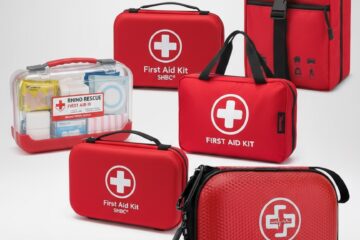
- Get a Container: Start with a good bag or box. A red one is easy to see in an emergency. Use clear plastic bags (like sandwich bags) to group similar items together (e.g., one bag for bandages, one for medications).
- Buy Wound Care Supplies: Start with the basics. Buy a variety of bandages, sterile gauze, antiseptic wipes, and tape. These are the items you will use most often.
- Add Tools and Medications: Next, buy your tools (scissors, tweezers) and general medications (pain relievers, antihistamines).
- Include Safety and Personal Items: Do not forget a flashlight, emergency blanket, and gloves. Most importantly, add your personal medications and emergency contact information.
- Organize for Quick Access: Place the most important items (gloves, large gauze pads) at the top where you can grab them fast. Label the small bags inside so you can find what you need without searching.
Post-Process Checks and Finishing
Once your kit is ready, do a final check.
- Is it easy to carry? You should be able to grab it and go.
- Is everything sealed? Make sure sterile items are in their original, unopened packages.
- Do you know how to use it? Read the instructions for any items you are not familiar with, like an instant cold pack.
Troubleshooting Your First Aid Kit
Even a first aid kit can have problems. Here’s how to fix them.
| Problem | Likely Cause | Fix |
|---|---|---|
| Supplies are expired. | Items were not checked for a long time. Heat can speed up expiration. | Check your kit every 6 months. Set a reminder on your phone. Replace any expired items. |
| You can’t find an item in an emergency. | The kit is messy and not organized. | Organize supplies into labeled plastic bags (e.g., “Cuts,” “Pain,” “Tools”). |
| A liquid item (like antiseptic) has leaked. | The container was crushed or opened. | Keep liquids in a separate, waterproof bag inside the main kit. |
| Supplies were used and not replaced. | You used a bandage and forgot to put a new one in. | After you use any item from the kit, make a note to buy a replacement right away. |
Maintenance and Prevention: Keeping Your Kit Ready
A first aid kit is not something you “set and forget.”
- Schedule a Check: Every six months, check your kit. A good time is when you change your clocks for daylight saving time.
- What to Look For:
- Check the expiration dates on all medications and wipes.
- Make sure sterile packages are not torn or damaged.
- Replace any items you have used.
- Check the batteries in your flashlight (or get a crank-powered one).
- Update for the Season: In winter, you might add hand warmers. In summer, you might add extra sting relief wipes or sunscreen.

When Not to DIY: When to Call for Emergency Help
Your first aid kit is for minor problems or for helping until professionals arrive. You must call for emergency help immediately if someone:
- Is not breathing or has trouble breathing.
- Is unconscious (does not wake up).
- Has severe bleeding that does not stop with pressure.
- Has signs of a heart attack (chest pain) or stroke (face drooping, weakness).
- Has a possible head, neck, or back injury.
- Has a broken bone.
Caution: Never try to handle a serious medical emergency on your own if you are not trained. Your job is to call for help, keep the person safe, and provide basic comfort and care until help arrives.
Time, Cost, Skill, and Risk Summary
- Total Time: 30 minutes (to buy and customize a kit) to 2 hours (to build a kit from scratch).
- DIY Cost: $25 – $75, depending on the items you choose. A pre-made kit often costs $20 – $50.
- Skill Level: Beginner. Anyone can assemble a first aid kit.
- Risk Level: Low. The only risk is not having the right supplies, which you can prevent by following this guide.
Common Mistakes to Avoid
- Forgetting to Check Expiration Dates: Expired medications may not work well.
- Burying the Kit: Don’t store your kit under luggage or tools in the trunk. Keep it easy to reach.
- Not Including Personal Items: A generic kit does not have your life-saving prescription medicine.
- Having No Training: A kit is much more useful when you know basic first aid.
- Buying the Cheapest Kit: Very cheap kits often contain low-quality supplies that will not work when you need them.
Frequently Asked Questions (FAQs)
What is the single most important item in a car first aid kit?
Disposable gloves. Protecting yourself is the first step in helping others safely. After that, sterile gauze to control bleeding is very important.
Should I include food and water in my first aid kit?
It is a good idea to have a separate emergency kit in your car with water bottles, non-perishable snacks (like granola bars), a warm blanket, and jumper cables. This is usually separate from your medical first aid kit.
Is a first aid kit required by law?
In many places, it is not required for personal cars, but it is highly recommended. Commercial vehicles often are required to carry one.
How is a car first aid kit different from one for my home?
A car kit needs to be smaller and more portable. It should also contain items for car-related safety, like a flashlight or a whistle to signal for help.
Can I use my car first aid kit for hiking or other activities?
Yes! A well-stocked car kit is a great portable kit you can take with you on a hike or a picnic. Just remember to put it back in your car when you are done.
Summary and Your Next Step
Having a complete and updated first aid kit in your car is a simple and effective way to prepare for the unexpected. Whether you buy a pre-made kit or build your own, the goal is the same: to have the right tools to manage small injuries and help in a big emergency until professionals can take over.
Your action plan: Go to your car today. Do you have a first aid kit? If yes, open it and check the supplies. If no, make a plan this week to either buy one or build your own using this guide. Your safety, and the safety of your passengers, is worth the small effort.
Your safety on the road depends on both being prepared for an emergency and preventing one from happening. A key part of prevention is minimizing distractions. A modern head unit with easy-to-use controls and hands-free calling is a crucial safety upgrade. Explore your options in our review of the Top 5 Best Double Din Car Stereos for Seamless Smartphone Integration.